Parenting education · Anchorage & online
ROOTS Grounded Parenting
It’s the third time you’ve asked about shoes. You can hear your voice getting louder. What could you say next?
Join me to practice holding a boundary, hearing your child, and deciding together what to do next.
Shared Solution Parenting
Shared Solution Parenting is the parenting method we teach in the ROOTS Grounded Parenting curriculum.
You hold the boundary and make sure everyone is safe. Your child has room to tell you what matters to them and help shape a plan that fits.
- PresencePause long enough to listen. Give your child time to answer.
- RespectTake their experience seriously. Explain the limit you are responsible for.
- CuriosityAsk what happened. Leave room for an answer you hadn’t considered.
- AAAAwareness, Attention, and Accountability. Notice what each of you needs, choose what matters first, and name who can do what.
- Shared SolutionsChoose a workable plan together. Agree on when to see how it went.
A school-morning example
What it sounds like at home
The backpack is packed. It’s nearly eight. You’ve asked twice about shoes, and your child is still on the floor.

The five ROOTS skills parents practice
Shared Solution Parenting guides the conversation with your child. ROOTS gives you five skills to practice as the adult, including what to do when your own response needs a reset.
Regulate
Catch the change in your own voice. Take one comfortable breath before giving the next direction.
“Let me slow down.”
Observe
Describe what you can see. Notice when the same difficulty shows up.
“Getting ready gets harder when we have five minutes left.”
Own
Take responsibility for your words and follow through on the limit.
“I raised my voice. I’m sorry. We still need to leave at eight.”
Transform
Choose one skill to practice together. Rehearse how to ask for help.
“Could you show me which part you’re stuck on?”
Sustain
Put a small change into the routine, then check whether it helps.
“Did putting our shoes by the door make this morning easier?”
What families can practice
Bring a moment that keeps repeating. It might be homework that never gets started, bedtime that stretches later each night, or an argument that leaves both of you hurt.
We can practice noticing big feelings, naming what each person needs, setting limits you can follow through on, and reconnecting after a hard exchange. Choose one responsibility your child can take on with support. At the next check-in, notice what helped and what needs adjusting.
Ways to take part
- Individual workshopGather around one concern your family, school, or parent group shares.
- Five- or six-session experiencePractice a skill at home and bring what happened back to the next conversation.
- Customized formatAgree on content, pace, and length that fit your group’s needs and available time.
Meet in Anchorage or online internationally. Ask Shu about dates, pricing, attendance, and registration.
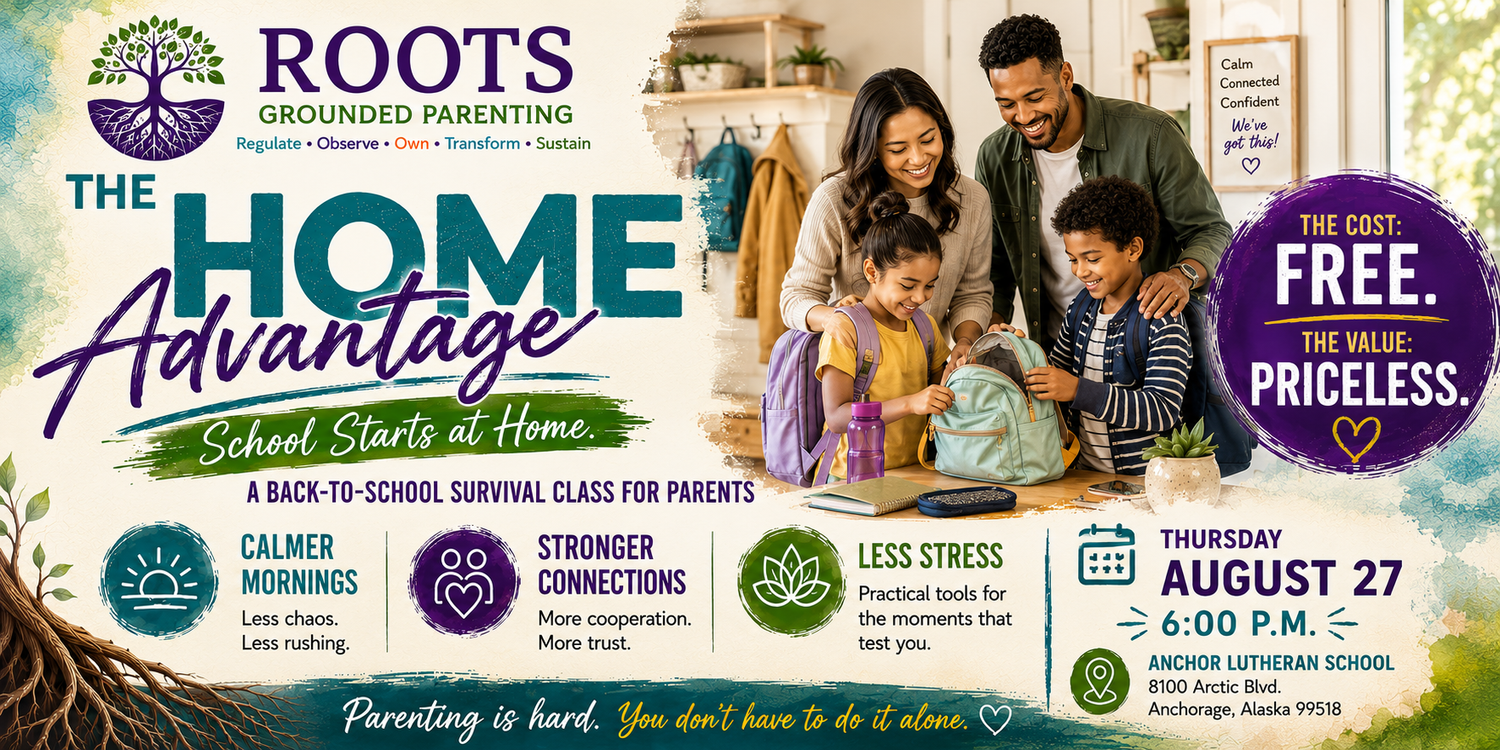
School Starts at Home. A previous community workshop at Anchor Lutheran School.
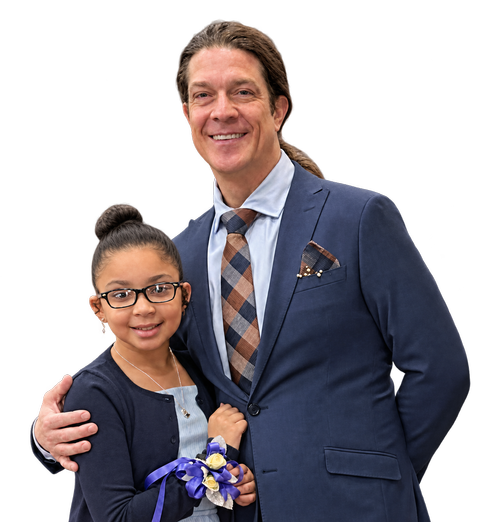
Meet Shu
I’m Shu, a father, educator, and Lifestyle Teacher and Mentor in Anchorage. I wrote Lifestyle Architecture: How to Build a Life of Purpose, Freedom, and Sustainable Happiness.
When we meet, I’ll ask about the part of the day that’s hardest at your house. That gives us a place to begin and something you can practice the next time it comes around.
Other ways to learn with Roots
Common questions
Who is the curriculum for?
Parents and caregivers can begin with a recurring difficulty or a part of family life they’d like to strengthen. Groups and schools can arrange learning around a shared concern.
Does my child attend with me?
We plan participation together. Tell me who would attend, your children’s ages, and what you hope to practice.
Can we join from outside Anchorage?
Yes. We can meet in Anchorage or online internationally. Share your location or time zone so we can discuss scheduling.
What will we do in a workshop or series?
Depending on the format, we use guided discussion, reflection, and short rehearsals. You might take home a reset routine, a phrase for setting a limit, or an agreement to revisit at bedtime.
How does this differ from individual guidance?
Here we learn a shared parenting curriculum. Individual guidance gives an adult, family, or young person time to work on their own circumstances and priorities.
Is this therapy?
ROOTS offers parenting education and mentorship. Shu is a Lifestyle Teacher and Mentor. Diagnosis, psychotherapy, and medical treatment are outside the scope of this offering.
How do we arrange dates, cost, and registration?
Contact Shu with your group size, location or time zone, available time, and learning goals. We’ll discuss participation, pricing, dates, and registration for your offering.
What’s happening at your house?
Tell me about one moment you’d like to handle differently. If you’re organizing a workshop, tell me who’s gathering and what keeps coming up for your group.